 AI Evolution
| 2023 | 2024 | 2025 | 2026-01 |
|---|---|---|---|
| 
| 
| 
|
|
Core Themes
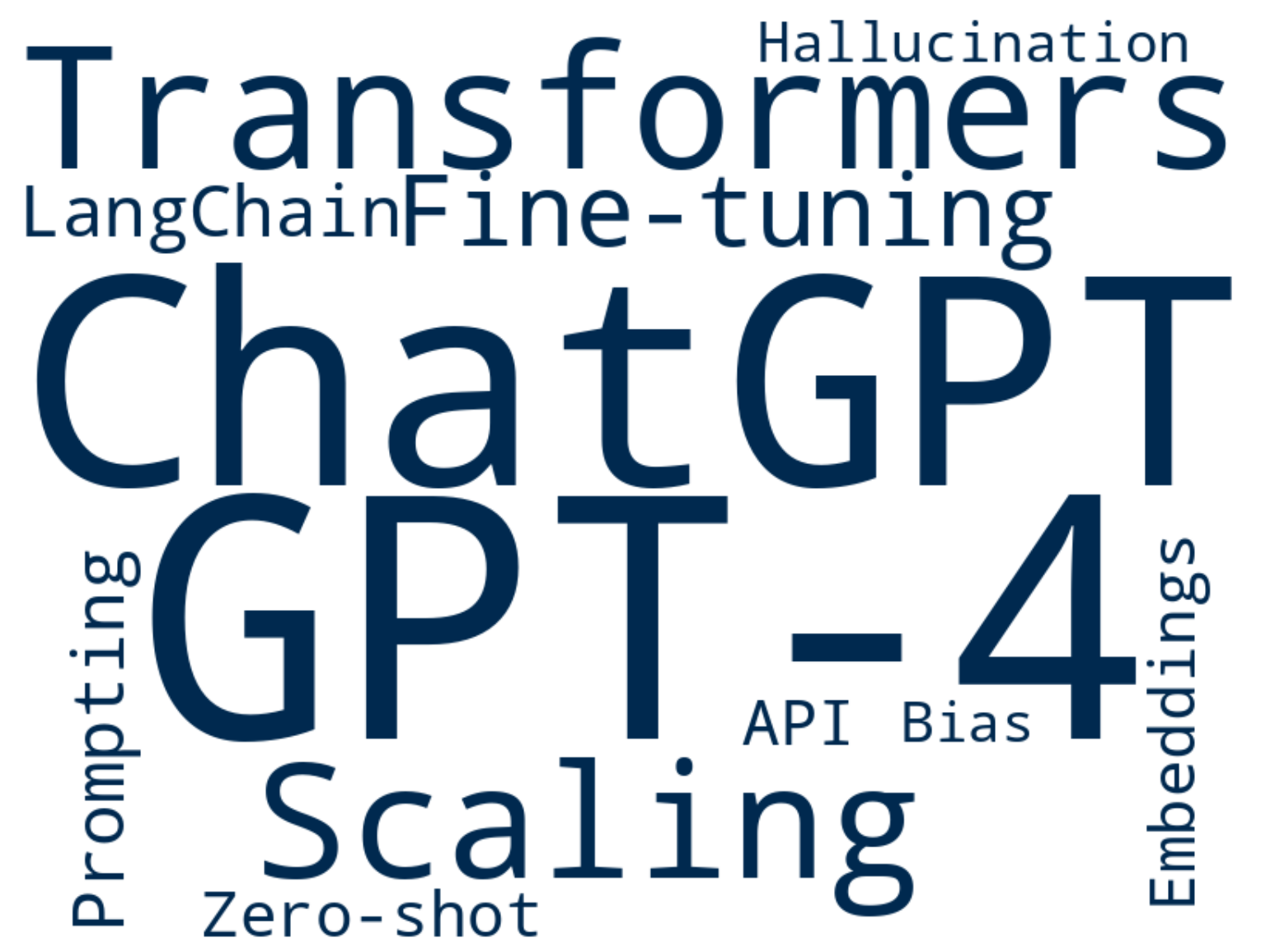
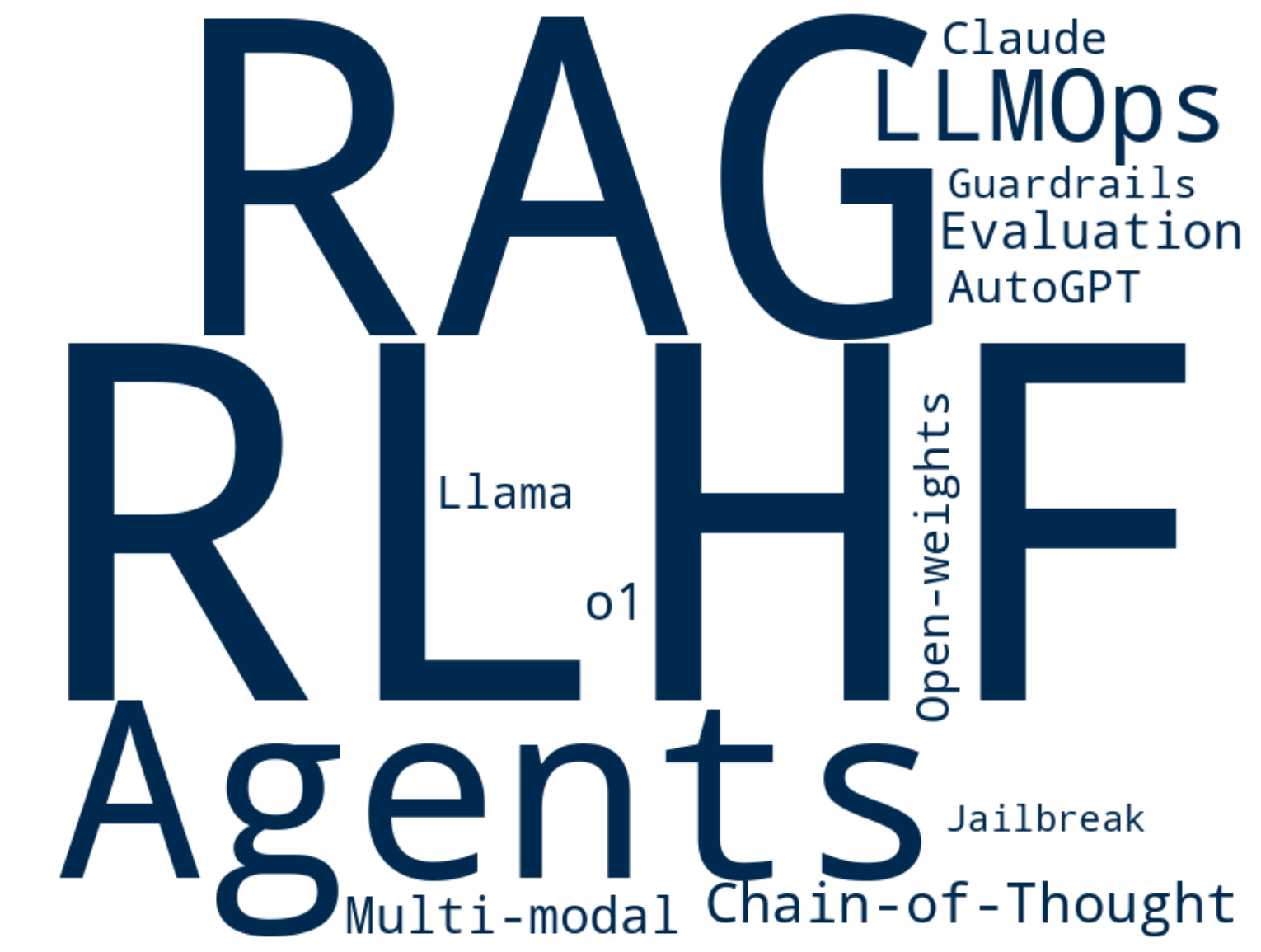
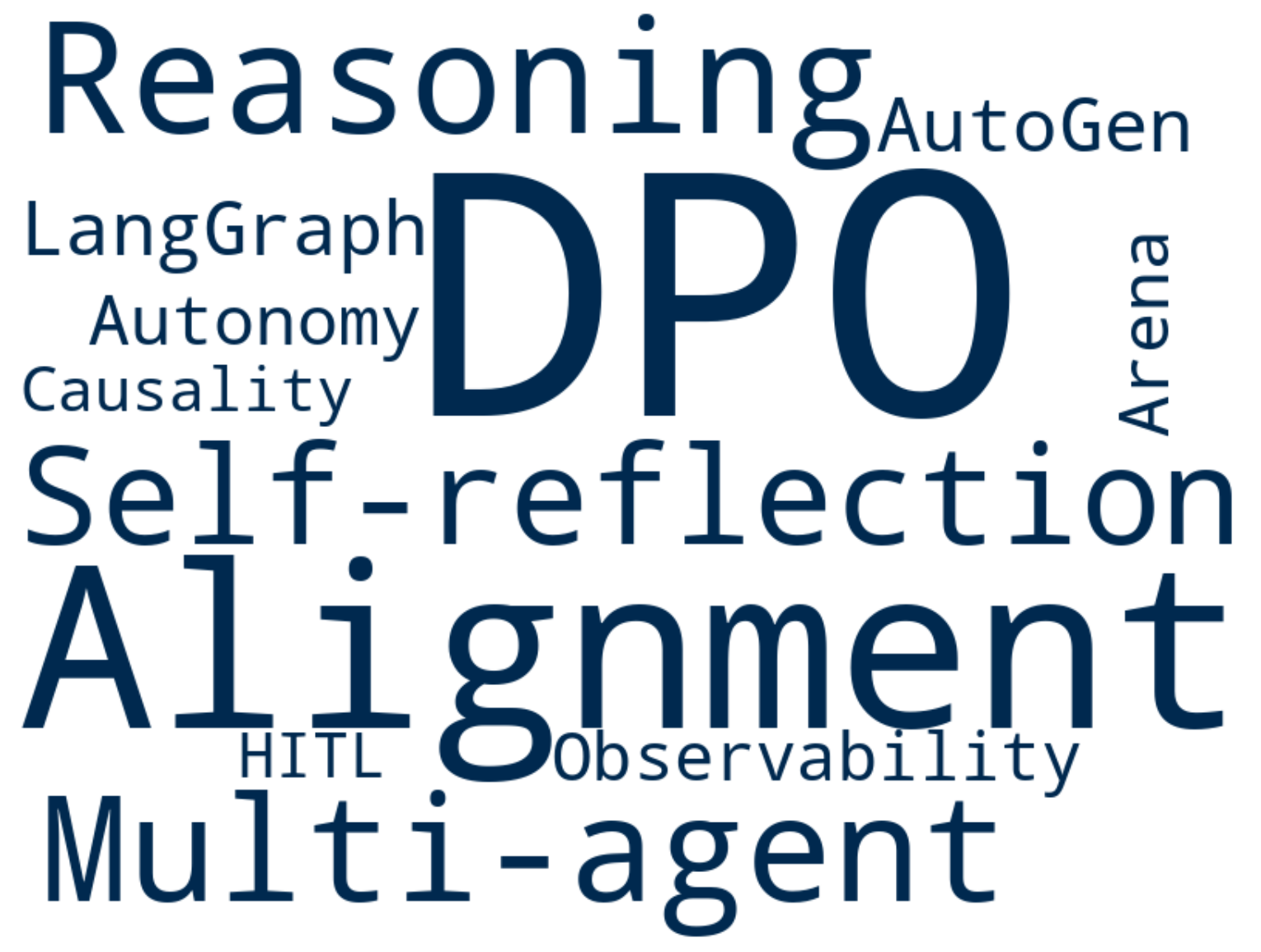
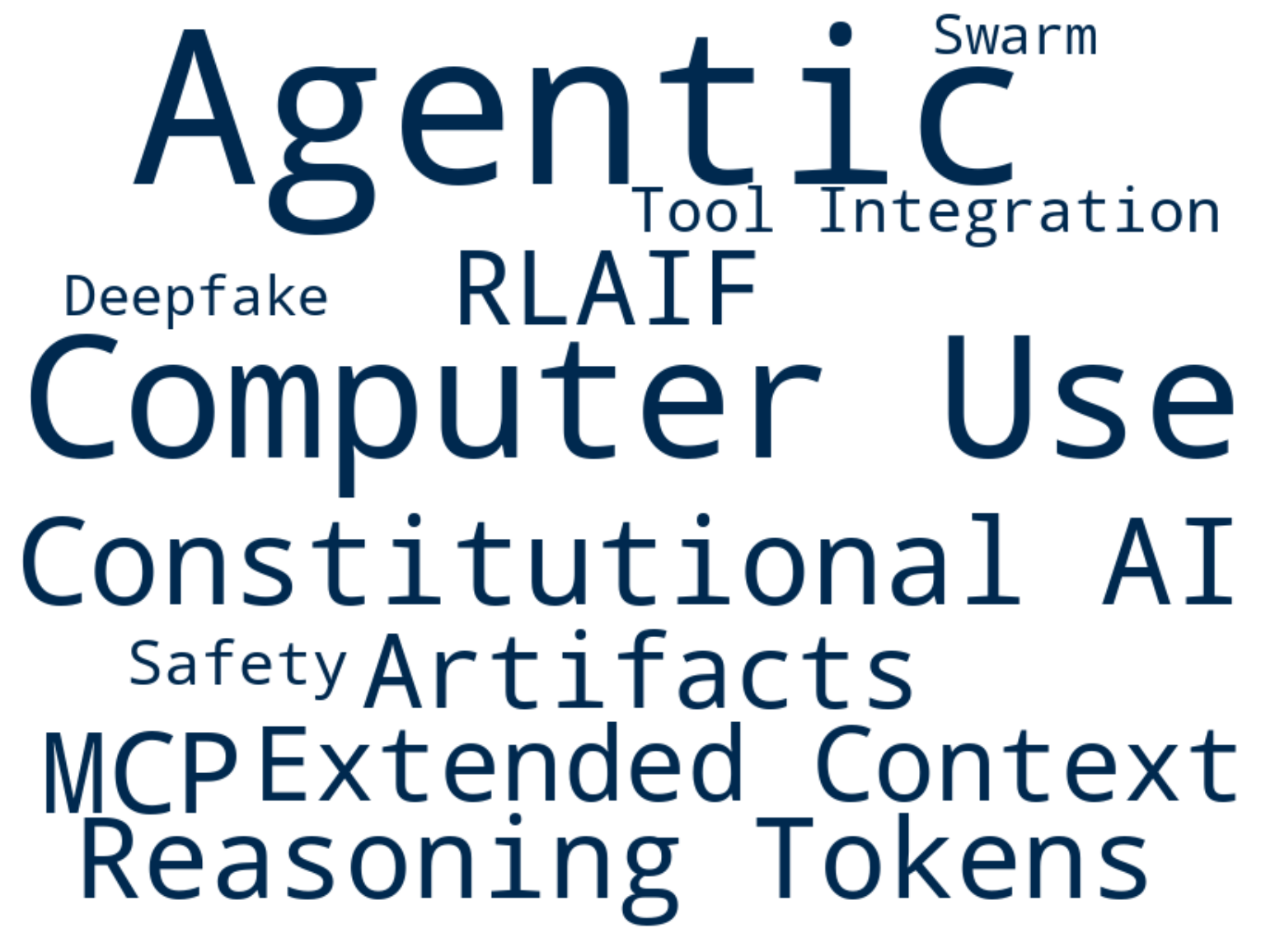
• 2023: GPT-4 & ChatGPT democratized access • 2024: Shift to specialized models via RLHF, RAG, chain-of-thought • 2025: Advanced alignment with DPO, self-reflection, long-horizon reasoning • 2026-01: Autonomous agents with Constitutional AI, Computer Use, multimodal capabilities |
|||
|
Tooling & Infrastructure
• 2023: Experimentation with Hugging Face, LangChain, OpenAI API • 2024: Production-ready LLMOps, o1 reasoning model, deployment frameworks • 2025: Multi-agent orchestration via LangGraph, CrewAI, AutoGen, evaluation tools • 2026-01: Standardized protocols with MCP, Artifacts, advanced agentic frameworks |
|||
|
Risks & Governance
• 2023: Identifying risks - hallucination, bias, data leakage, regulatory uncertainty • 2024: Addressing mitigation - explainability, jailbreaks, adversarial misuse, dataset provenance • 2025: Systematic governance - alignment tools, causality limits, model autonomy concerns • 2026-01: Agentic safety controls - deepfakes, synthetic media, misinformation, capability overhang |
|||
|
Learning Paradigms
• 2023: Few-shot, zero-shot, self-supervised pre-training • 2024: Human feedback via instruction tuning, RLHF loops, dataset curation • 2025: Self-reflective learning - active learning, models critique themselves, AI-evaluates-AI • 2026-01: AI feedback at scale - RLAIF, constitutional training, 1M+ token context windows |
|||
|
Key Insight
• 2023: Accessibility - barrier dropped from "train a model" to "write a prompt" • 2024: Specialization - generic models transformed into task-specific solutions • 2025: Governance - focus shifted from "what can we build?" to "how do we build safely?" • 2026-01: Autonomy - independent agents operating within constitutional bounds |
|||